
Table of Contents
- Why Wisdom Teeth Cause Problems For Many People
- Signs You May Need Wisdom Teeth Removal
- What “Impacted” Wisdom Teeth Means
- What Wisdom Teeth Removal Is Like
- Aftercare That Makes Healing Easier
- Professional Insights On The Benefits Of Wisdom Teeth Removal
- Wisdom Teeth Removal Questions People Ask
- A Focus On Prevention
A lot of dental problems start quietly. Wisdom teeth are a perfect example. You may not see them, you may not feel them, and then one day your jaw is sore, your gums are swollen, and chewing feels weird. Wisdom teeth, also called third molars, are the last teeth to develop, and they often do not have enough room to come in normally. That is why wisdom teeth removal is so common. It is often less about reacting to pain and more about preventing bigger issues before they start. If wisdom teeth are trapped under the gums, partially erupted, or pushing against other teeth, they can cause infection, damage nearby teeth, and create painful flare-ups. Wisdom teeth removal can help you avoid those surprises and protect your long-term oral health.
Why Wisdom Teeth Cause Problems For Many People
Humans often do not have enough jaw space for wisdom teeth. When those teeth try to erupt, several things can happen:
- They come in sideways and press on the tooth in front
- They partially erupt, leaving a gum flap that traps bacteria
- They remain impacted under the gum, causing pressure and inflammation
- They erupt unevenly and become hard to clean
- They contribute to crowding and bite changes for some people
The main issue is access. Wisdom teeth sit far back, and even fully erupted wisdom teeth can be difficult to brush and floss well. That makes them more prone to decay and gum inflammation. In many cases, wisdom teeth removal is recommended because keeping those teeth can create long-term risk.
Signs You May Need Wisdom Teeth Removal
Some people discover wisdom teeth problems during routine X-rays. Others feel symptoms. Common signs include:
- Swollen or tender gums behind the last molars
- Pain when chewing in the back of the mouth
- Jaw stiffness or soreness
- Bad taste or bad breath that keeps returning
- Repeated gum infections in the same area
- Headaches or ear-like aches that come and go
If you have repeated swelling in the same spot, it may be a sign that bacteria are getting trapped around a partially erupted wisdom tooth. That is one of the most common reasons for wisdom teeth removal.
What “Impacted” Wisdom Teeth Means
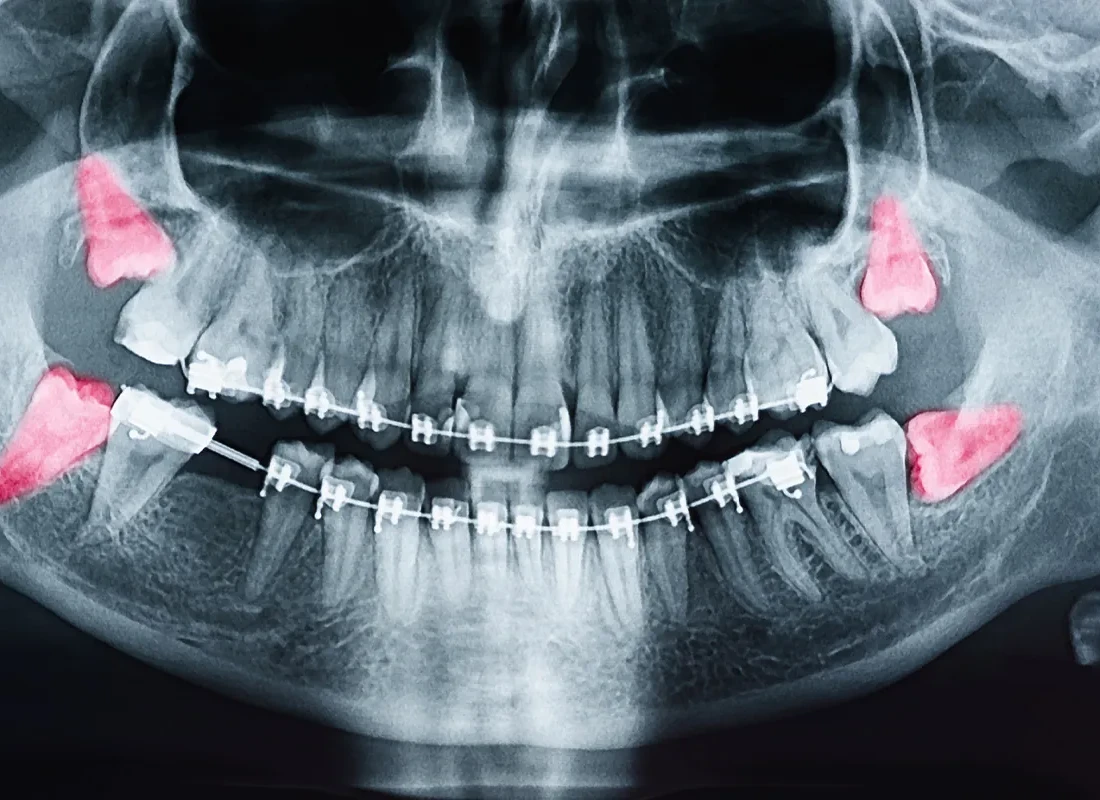
A wisdom tooth is “impacted” when it cannot fully erupt into a normal position. It might be stuck under the gum, stuck against another tooth, or angled in a way that prevents normal eruption. Impacted wisdom teeth can create pressure, inflammation, and risk to the neighboring molar. There are different types of impactions, and the position affects the treatment plan. That is why imaging is important. A professional evaluation helps determine whether wisdom teeth removal is recommended and how complex the procedure may be.
What Wisdom Teeth Removal Is Like
Many people worry about pain and recovery. The truth is, discomfort is manageable for most patients when they follow aftercare instructions closely. A typical wisdom teeth removal experience includes:
- A consultation with imaging to plan the removal
- Numbing and comfort options for the procedure
- Removal of the teeth, sometimes in sections if impacted
- Stitches when needed
- Clear aftercare instructions for healing
Afterward, swelling is common for a couple of days, and soreness can peak around day two or three. Then it typically improves. Most patients feel significantly better within a week, though complete healing continues longer.
Aftercare That Makes Healing Easier
Your aftercare routine matters more than most people realize. The best wisdom teeth removal recoveries usually include:
- Rest for the first day
- Ice packs in short intervals during the first 24 hours
- Soft foods, avoiding crunchy or spicy foods early on
- Drinking plenty of water, but avoiding straws initially
- Keeping the mouth clean as instructed
- Taking medications exactly as directed
Avoiding straws is important because suction can dislodge the protective clot in the socket. That can lead to a painful problem called dry socket. Following instructions carefully can reduce that risk.
Professional Insights On The Benefits Of Wisdom Teeth Removal
In professional dental care, removing wisdom teeth is often recommended when the risk of keeping them outweighs the benefit. Wisdom teeth removal can provide several advantages commonly recognized in clinical practice:
- Reduces risk of repeated infection, partially erupted wisdom teeth often trap bacteria and inflame gums
- Protects neighboring molars, impacted teeth can damage the second molars next to them
- Prevents surprise pain episodes, removing problem teeth can reduce the chance of sudden swelling and emergency visits
- Makes oral hygiene easier, fewer hard-to-reach areas can improve long-term gum health
- Supports long-term stability, removing teeth that push or trap debris can help preserve a healthier bite environment
Timing matters too. Many providers recommend removing wisdom teeth before roots are fully developed, because it can make healing simpler for some patients. That does not mean older patients cannot have wisdom teeth removal, it simply means planning is important.
Wisdom Teeth Removal Questions People Ask
Do I have to remove all four wisdom teeth? Not always. Some people only need one or two removed. The decision depends on position, symptoms, and risk. Will I be swollen? Some swelling is normal. It usually peaks around day two or three and then decreases. How long will I be out of work? Many people return to normal routines in a few days, depending on the complexity and the type of work they do. What if my wisdom teeth do not hurt? Pain is not the only reason to remove them. Impacted teeth can cause problems without obvious symptoms. That is why imaging is valuable.
A Focus On Prevention
If your wisdom teeth are impacted, hard to clean, or causing repeated swelling, wisdom teeth removal can help you avoid future pain and protect the health of the teeth next to them. The best plan starts with an exam and imaging so you know exactly what is happening in the back of your mouth and what your safest options are. If you are dealing with back-of-mouth pain or you want to know whether wisdom teeth removal is recommended for you, contact Next Smile + Implant Center in Thousand Oaks, CA at (805) 261-5845 to schedule a consultation and get a clear plan.