
Table of Contents
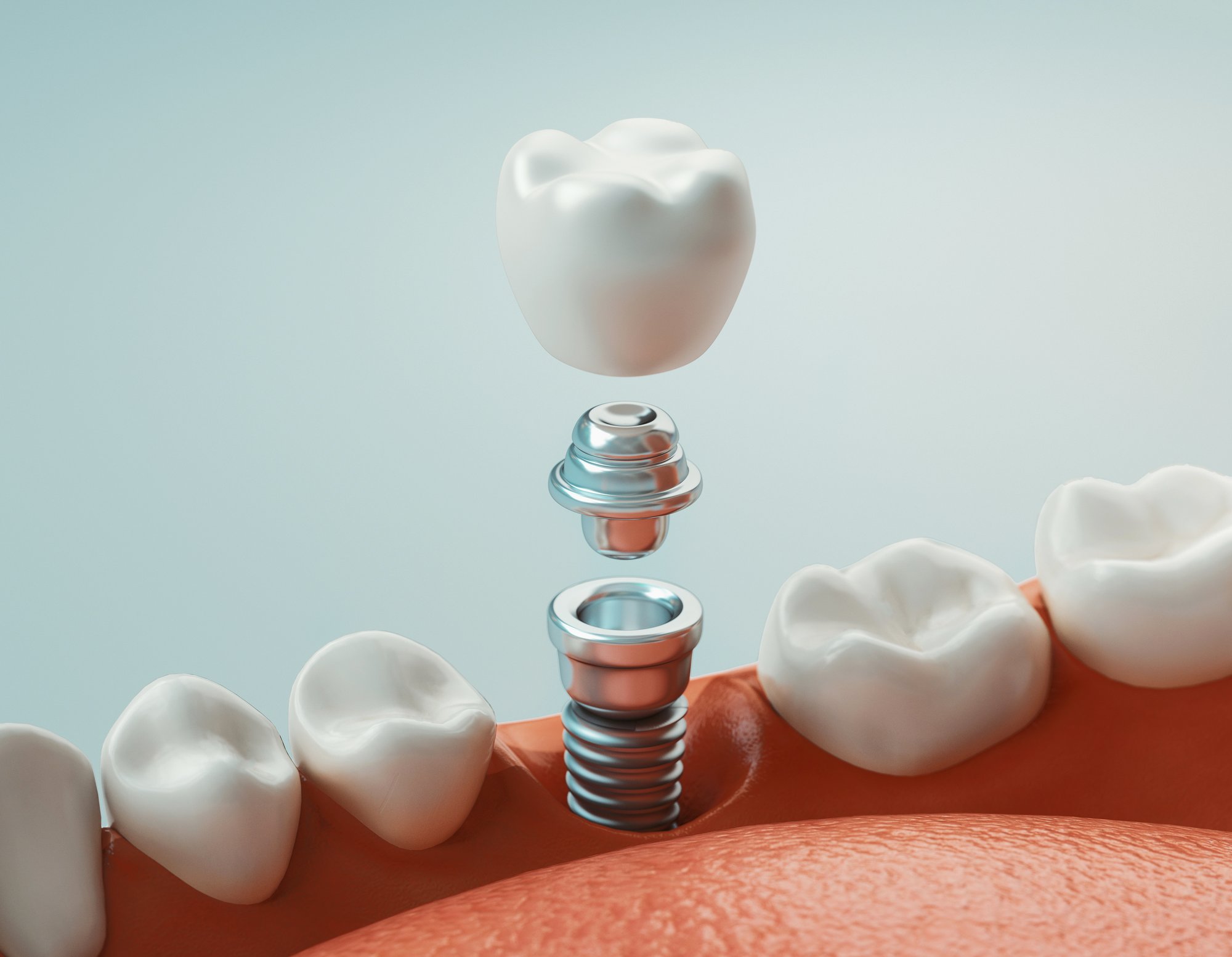
Wondering whether you actually qualify for an implant, or whether something in your history rules you out? The honest answer is that most people qualify. Being a candidate for dental implants comes down to bone volume, gum health, and a few medical factors rather than age, and dental implant options exist even for patients who fall short on the first pass. A dental implant is a titanium post placed in the jaw that replaces the root of a missing tooth. Here is the checklist an implant provider actually works through.
Key Takeaways
- Enough healthy jawbone is the first requirement, and grafting can create it.
- Gum disease must be treated and stable before any implant is placed.
- Age is rarely disqualifying, while overall health carries far more weight.
- Smoking and uncontrolled diabetes both slow healing and raise failure rates.
- A 3D scan and medical history review settle candidacy more reliably than a guess.
Do You Have Enough Bone?
This is the first box to check. An implant needs sufficient bone height, width, and density to hold it securely while it fuses to the jaw. Bone begins shrinking soon after a tooth is lost, so a gap that has sat empty for years often has less bone than expected. A cone-beam CT scan measures exactly what is there. Falling short does not end the conversation, since a bone graft can rebuild the ridge and a sinus lift can add height in the upper back jaw. Both add months to the timeline, but they turn a no into a yes for many people.
Are Your Gums Healthy?
Gum health matters as much as bone. Active periodontal disease is an infection of the tissue and bone supporting the teeth, and placing an implant into that environment invites failure. The condition is treatable, though, so this is a sequencing issue rather than a disqualification. Deep cleaning or periodontal therapy comes first, followed by a period of stability before surgery is scheduled. Patients with a history of gum disease can absolutely have successful implants; they simply need the disease controlled and monitored afterward.
Does Your Age Matter?
Far less than most people assume. According to MouthHealthy from the American Dental Association, dental implants are a popular and effective way to replace missing teeth and are designed to blend in with your other teeth. Nothing about that depends on a birth year. Adults in their seventies and eighties receive implants routinely, provided their bone and general health support it. The one genuine age restriction runs the other direction: implants are usually deferred in teenagers until jaw growth finishes, since a post does not move as the jaw develops.
What Medical Conditions Need Attention?
Several conditions affect healing rather than ruling implants out entirely. Uncontrolled diabetes slows tissue repair and raises infection risk, though well-managed diabetes has success rates comparable to anyone else’s. Autoimmune conditions, a history of head or neck radiation, and certain bone medications all warrant a careful conversation. Bisphosphonates and similar antiresorptive drugs deserve particular attention because of their effect on jaw bone. Bring a complete medication list, including supplements, since this is where an honest history genuinely changes the plan.
Are You Willing to Stop Smoking?
This one is uncomfortable but important. Smoking restricts blood flow to the gums and bone, which measurably increases the risk of implant failure and slows healing at every stage. Most providers will still treat smokers, but they will be direct about the elevated risk and will usually ask for a pause around the surgery and early healing period. Anyone weighing a long-term investment in their teeth should know that this single factor influences the odds more than almost anything else on the list.
Can You Commit to the Timeline and Maintenance?
Implants ask for patience and upkeep. The post needs three to six months to fuse with bone before the final crown goes on, and grafting extends that further. Afterward, implants require daily brushing and flossing plus regular professional monitoring, because the gum tissue around an implant can become inflamed in a condition called peri-implantitis, which threatens the bone supporting it. Someone unwilling to maintain that routine may do better with a different option. Being realistic about this upfront protects the result.
What the Checklist Adds Up To
Being a candidate for dental implants rests on bone volume, gum health, managed medical conditions, and a willingness to see the process through. Most adults clear that bar, and many who do not on the first pass become candidates after grafting or periodontal treatment. Among the dental implant options available, there is usually a path forward even for complicated cases. A 3D scan and a frank medical history are what turn that question into a definite answer.
- If you want to learn more about being a candidate for dental implants, visit our Dental Implant Options in Thousand Oaks, CA, page or schedule a consultation.