
Table of Contents
- What Is Full Mouth Reconstruction?
- Why Patients Need Full Mouth Reconstruction
- Signs You May Be a Candidate for Full Mouth Reconstruction
- The Connection Between Oral Health and Overall Health
- The Full Mouth Reconstruction Consultation Process
- Creating a Personalized Treatment Plan
- Dental Implants and Their Role in Reconstruction
- Restoring Damaged Teeth With Crowns
- Correcting Bite Problems
- The Impact of Missing Teeth on Facial Appearance
- How Full Mouth Reconstruction Can Improve Daily Life
- Why Comprehensive Treatment Often Produces Better Results
- Understanding Treatment Timelines
- Modern Technology Has Changed Reconstruction
- Common Questions About Full Mouth Reconstruction
- Benefits Supported by Modern Dental Research
- The Emotional Side of Smile Restoration
- Rebuilding More Than Just Teeth
- Your Path Toward a Healthier, More Functional Smile
What would you do if multiple dental problems were affecting your ability to eat comfortably, speak clearly, or smile with confidence? For many people, dental issues rarely occur in isolation. Missing teeth, worn enamel, failing dental work, gum disease, bite problems, and jaw discomfort often develop together over time, creating a situation where a single procedure simply isn’t enough. When several oral health concerns exist simultaneously, a comprehensive solution may be needed. That’s where full mouth reconstruction comes in. Full mouth reconstruction is one of the most transformative treatments available in modern dentistry. Rather than focusing on a single tooth or isolated problem, it takes a comprehensive approach to rebuilding the health, function, comfort, and appearance of the entire mouth. Every treatment plan is customized to the individual’s needs, making full mouth reconstruction a highly personalized process designed to restore both oral health and quality of life. Many patients assume that extensive dental problems mean they have run out of options. However, advances in technology, restorative dentistry, implant dentistry, and treatment planning have made it possible to address even complex dental concerns in ways that were not possible just a generation ago. If you’ve been struggling with multiple dental issues and wondering whether it’s possible to restore your smile, understanding how full mouth reconstruction works may help you discover a path toward long-term oral health and renewed confidence.
What Is Full Mouth Reconstruction?
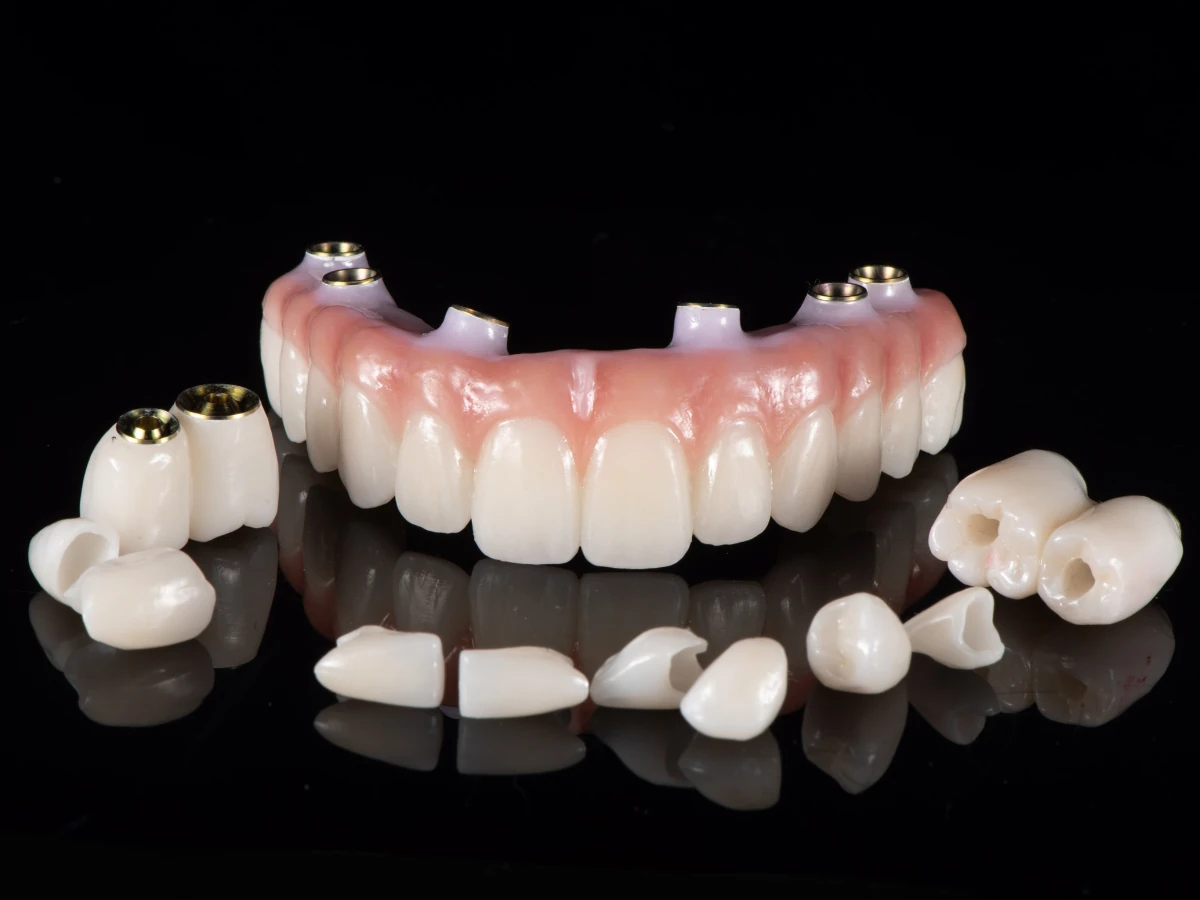
Full mouth reconstruction is a customized treatment process that combines multiple dental procedures to restore the health, function, and appearance of the entire mouth. Unlike cosmetic smile makeovers, which primarily focus on aesthetics, full mouth reconstruction addresses underlying dental problems that affect how the teeth, gums, jaw, and bite work together. The goal is not simply to improve appearance. Instead, full mouth reconstruction seeks to create a healthy, stable, and functional foundation that supports long-term oral health. Depending on the patient’s needs, treatment may include a combination of:
- Dental implants
- Dental crowns
- Dental bridges
- Veneers
- Bone grafting
- Gum disease treatment
- Tooth extractions
- Oral surgery
- Full-arch restorations
- Bite correction
- Full mouth rehabilitation procedures
Every treatment plan is unique because every patient’s oral health challenges are different.
Why Patients Need Full Mouth Reconstruction
People seek full mouth reconstruction for many reasons. In some cases, years of untreated dental problems gradually lead to widespread damage. In others, trauma, disease, or medical conditions contribute to extensive oral health concerns. Common reasons patients pursue full mouth reconstruction include:
Multiple Missing Teeth
Missing teeth affect more than appearance. When teeth are lost, neighboring teeth can shift out of position. Chewing becomes less efficient, bite alignment changes, and jawbone loss may begin to occur. Over time, these changes can create additional complications throughout the mouth.
Severe Tooth Wear
Teeth naturally experience wear over time. However, excessive wear may occur due to:
- Teeth grinding
- Clenching
- Acid erosion
- Bite misalignment
- Aging
- Previous dental damage
When wear becomes severe, teeth may become shorter, weaker, and more vulnerable to fracture.
Extensive Tooth Decay
Multiple areas of decay can compromise the integrity of the entire dental system. When numerous teeth require treatment simultaneously, a comprehensive plan is often more effective than addressing problems individually.
Failing Dental Work
Many patients have older crowns, bridges, fillings, or restorations that have reached the end of their lifespan. When multiple restorations begin failing at the same time, reconstruction may provide a more predictable long-term solution.
Advanced Gum Disease
Periodontal disease can damage both the gums and supporting bone structures. As gum disease progresses, teeth may loosen, shift, or become increasingly vulnerable to loss.
Trauma and Accidents
Injuries involving multiple teeth often require extensive restorative planning. Full mouth reconstruction can help restore function while improving aesthetics after significant dental trauma.
Signs You May Be a Candidate for Full Mouth Reconstruction
Many people assume reconstruction is reserved for extreme cases. However, several symptoms may indicate that a comprehensive evaluation would be beneficial. Potential signs include:
- Multiple missing teeth
- Difficulty chewing
- Chronic tooth pain
- Worn or broken teeth
- Frequent dental problems
- Jaw discomfort
- Bite issues
- Loose teeth
- Advanced gum disease
- Difficulty speaking clearly
- Avoiding certain foods due to dental limitations
If several of these concerns sound familiar, a reconstruction consultation may help identify solutions.
The Connection Between Oral Health and Overall Health
One reason full mouth reconstruction is so important is that oral health affects far more than the teeth alone. Healthy teeth play a critical role in:
- Proper nutrition
- Digestive health
- Speech
- Social interactions
- Confidence
- Facial support
- Daily comfort
When dental problems interfere with eating, patients often begin avoiding nutritious foods that are difficult to chew. As a result, oral health issues may influence overall wellness in ways many people do not initially recognize. Reconstruction helps restore functionality while supporting better long-term health outcomes.
The Full Mouth Reconstruction Consultation Process
Every successful reconstruction begins with a comprehensive evaluation. The consultation process typically includes several important steps.
Comprehensive Examination
The dental team carefully evaluates:
- Teeth
- Gums
- Bite alignment
- Jaw function
- Existing restorations
- Missing teeth
- Bone health
This examination provides a complete picture of current oral health.
Digital Imaging
Modern dentistry relies heavily on advanced imaging technologies. These may include:
- Digital X-rays
- Intraoral scans
- Three-dimensional imaging
- CBCT scans
- Digital photographs
Detailed imaging allows precise diagnosis and treatment planning.
Discussion of Goals
Every patient has different priorities. Some individuals prioritize function. Others focus on aesthetics. Many seek improvements in both areas. Understanding personal goals helps guide treatment recommendations.
Creating a Personalized Treatment Plan
Once the evaluation is complete, a customized treatment plan is developed. This plan outlines:
- Existing conditions
- Recommended procedures
- Treatment phases
- Expected outcomes
- Timeline considerations
The purpose of treatment planning is to create a logical sequence that maximizes efficiency, healing, and long-term success. Because every case differs, no two plans are exactly alike.
Dental Implants and Their Role in Reconstruction
Dental implants frequently play a central role in full mouth reconstruction. Unlike traditional tooth replacement options, implants replace both the root and visible portion of the tooth. Benefits may include:
- Improved stability
- Bone preservation
- Enhanced chewing ability
- Natural appearance
- Long-term durability
For patients with missing teeth, implants often help establish a stronger foundation for reconstruction.
Restoring Damaged Teeth With Crowns
Crowns are commonly used to rebuild teeth that have been weakened by:
- Decay
- Fractures
- Wear
- Previous restorations
A crown covers the visible portion of the tooth, helping restore strength, shape, and functionality. When multiple teeth require reinforcement, crowns may become an important component of the reconstruction process.
Correcting Bite Problems
The way the upper and lower teeth come together significantly influences oral health. An imbalanced bite can contribute to:
- Excessive wear
- Jaw discomfort
- Muscle tension
- Tooth fractures
- Headaches
Full mouth reconstruction often addresses bite alignment as part of the overall treatment strategy. Correcting these issues may improve comfort while protecting restored teeth.
The Impact of Missing Teeth on Facial Appearance
Many people think of missing teeth primarily as a cosmetic concern. However, tooth loss affects much more than the smile. When teeth are missing, the jawbone begins shrinking over time. This can contribute to:
- Facial collapse
- Premature aging
- Sunken appearance
- Reduced facial support
Reconstruction may help restore support structures that contribute to a more youthful and balanced appearance.
How Full Mouth Reconstruction Can Improve Daily Life
One of the most rewarding aspects of reconstruction is the positive impact it can have on everyday activities. Patients frequently report improvements in:
Eating
Chewing becomes easier and more comfortable.
Speaking
Clearer speech often results from improved tooth positioning and stability.
Comfort
Addressing dental problems can reduce discomfort and improve daily function.
Confidence
Many individuals feel more comfortable smiling and interacting socially after treatment.
Oral Hygiene
Restoring damaged areas often makes long-term maintenance easier.
Why Comprehensive Treatment Often Produces Better Results
Some patients wonder whether it makes sense to address one problem at a time. While isolated treatment may sometimes be appropriate, comprehensive planning offers several advantages. Treating multiple issues together allows the dental team to:
- Evaluate the entire bite
- Coordinate procedures efficiently
- Improve long-term predictability
- Reduce conflicting treatments
- Create a cohesive result
Rather than repeatedly addressing symptoms, reconstruction focuses on the overall health of the dental system.
Understanding Treatment Timelines
The timeline for reconstruction varies significantly based on individual needs. Factors influencing treatment duration include:
- Number of procedures
- Healing requirements
- Implant integration
- Bone grafting needs
- Complexity of treatment
Some patients complete treatment relatively quickly. Others may progress through several phases over an extended period. The timeline is always customized according to clinical requirements.
Modern Technology Has Changed Reconstruction
Advancements in dental technology continue transforming reconstruction procedures. Today’s tools allow for:
- More precise planning
- Improved diagnostics
- Better communication
- Enhanced patient comfort
- Increased treatment predictability
Digital workflows help create restorations that fit accurately while supporting excellent long-term outcomes.
Common Questions About Full Mouth Reconstruction
Is full mouth reconstruction only for older adults?
No. Patients of many ages may benefit from reconstruction depending on their needs and circumstances.
Is reconstruction cosmetic or restorative?
It is often both. While aesthetics may improve significantly, the primary goal is restoring health and function.
Can missing teeth be replaced during reconstruction?
Yes. Dental implants and other restorative solutions frequently address missing teeth.
How long do results last?
Longevity depends on treatment type, maintenance, oral hygiene, and overall health.
Is every reconstruction the same?
No. Every plan is customized to the individual patient.
Benefits Supported by Modern Dental Research
Leading dental organizations consistently emphasize the importance of maintaining oral function and replacing missing teeth when appropriate. Research supports numerous benefits associated with comprehensive restorative treatment, including:
- Improved chewing efficiency
- Better oral function
- Enhanced comfort
- Increased patient satisfaction
- Preservation of remaining teeth
- Improved quality of life
As restorative dentistry continues advancing, patients have access to increasingly sophisticated treatment options designed to address even complex dental challenges.
The Emotional Side of Smile Restoration
While the physical benefits of reconstruction are significant, many patients are equally impacted by the emotional improvements. Living with extensive dental problems can affect:
- Self-esteem
- Social interactions
- Professional confidence
- Personal relationships
Many individuals spend years adapting to discomfort or avoiding situations that draw attention to their smiles. Restoring oral health often creates opportunities to engage more confidently in everyday life. These emotional benefits can be just as meaningful as the clinical outcomes.
Rebuilding More Than Just Teeth
Full mouth reconstruction is about much more than fixing damaged teeth. It is a comprehensive process designed to restore function, improve health, rebuild confidence, and create a stable foundation for the future. Whether dental problems developed gradually over decades or resulted from a specific event, modern dentistry offers solutions that can dramatically improve both comfort and quality of life. The first step is understanding your options and developing a personalized plan that addresses your unique needs.
Your Path Toward a Healthier, More Functional Smile
If you’re struggling with multiple dental concerns, you don’t have to continue managing them one at a time. Full mouth reconstruction can provide a comprehensive strategy for restoring your oral health, improving daily comfort, and rebuilding confidence in your smile. Contact Next Smile Center in Thousand Oaks, CA to schedule a consultation and learn how a customized full mouth reconstruction plan can help you achieve a healthier, stronger, and more functional smile for years to come.