
Table of Contents
- What Are All-on-X Dental Implants?
- Why So Many Patients Choose All-on-X
- How All-on-X Differs From Traditional Dentures
- Who May Be a Candidate for All-on-X?
- The Importance of Bone Health
- Your Initial Consultation
- Advanced Technology Improves Precision
- The All-on-X Procedure Step by Step
- Recovery After All-on-X Treatment
- What Can You Eat During Recovery?
- Long-Term Benefits of All-on-X
- Caring for Your New Smile
- Common Questions About All-on-X
- Benefits Supported by Modern Dentistry
- Is All-on-X Right for You?
- Your Next Step Toward a Confident Smile
Have you been living with multiple missing teeth, loose dentures, or failing dental work and wondering if there’s a more permanent solution? If you’ve started researching full-arch tooth replacement, you’ve likely come across the term All-on-X dental implants. This innovative treatment has helped thousands of patients regain the ability to eat, speak, and smile with greater confidence while avoiding many of the frustrations associated with traditional removable dentures. For many people, tooth loss is more than just a cosmetic concern. Missing teeth can affect nutrition, speech, oral health, facial appearance, and self-confidence. Everyday activities like enjoying a meal with family or smiling in a photograph may become stressful rather than enjoyable. Fortunately, modern implant dentistry has transformed the way full-mouth tooth replacement is performed, offering patients long-lasting solutions that look and function remarkably like natural teeth. All-on-X dental implants have become one of the most sought-after full-arch restoration treatments because they combine stability, aesthetics, and efficiency into one comprehensive solution. While every patient’s needs are different, this treatment has allowed many individuals to replace an entire arch of missing teeth using strategically placed dental implants. If you’re considering All-on-X dental implants in Thousand Oaks, understanding how the procedure works, who qualifies, what recovery involves, and what long-term benefits you can expect will help you make an informed decision about your smile.
What Are All-on-X Dental Implants?
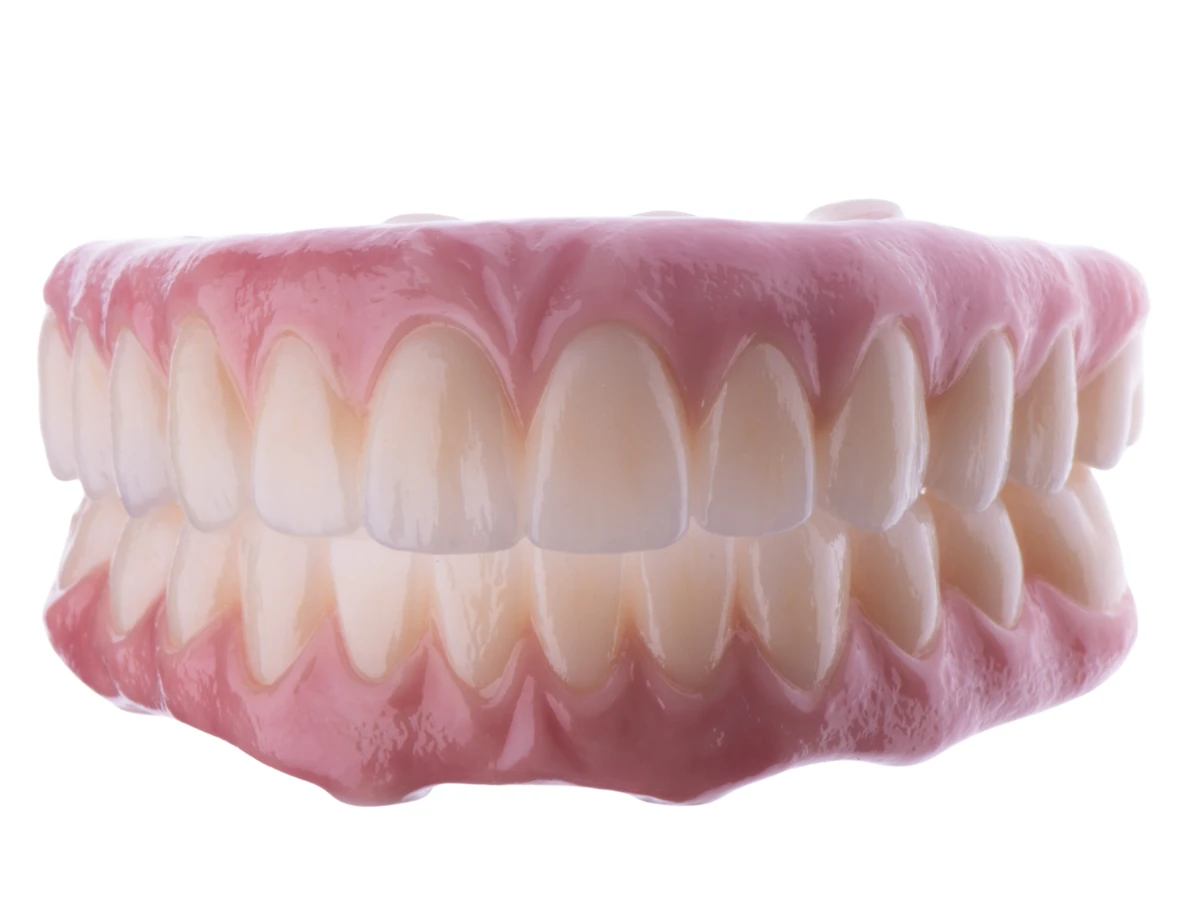
All-on-X is a full-arch dental implant solution that replaces an entire upper or lower arch of teeth using a carefully planned number of dental implants. Rather than replacing every missing tooth with an individual implant, several implants are strategically positioned to support a full set of fixed replacement teeth. The “X” in All-on-X refers to the number of implants used to support the restoration. Depending on your oral health, bone structure, and treatment goals, your dentist may recommend four, five, six, or more implants to provide the strongest and most predictable foundation. Because the implants work together to support an entire arch, patients often achieve exceptional stability while requiring fewer implants than they might expect. The result is a fixed restoration that remains securely in place, allowing patients to enjoy many of the functions they once associated with their natural teeth.
Why So Many Patients Choose All-on-X
Traditional dentures have restored smiles for generations, but many denture wearers experience ongoing frustrations. Slipping, movement, difficulty chewing certain foods, sore spots, and dependence on adhesives are common concerns. All-on-X dental implants were developed to address many of these issues. Instead of resting on the gums, the restoration is anchored securely to dental implants that are integrated into the jawbone. This creates a stable foundation that allows patients to eat, speak, and smile with greater confidence. Many patients say one of the biggest differences is simply not having to worry about their teeth moving throughout the day.
How All-on-X Differs From Traditional Dentures
Although both treatments replace multiple missing teeth, they function very differently. Traditional dentures sit on top of the gums and rely on suction, adhesives, or muscle control to remain in place. All-on-X restorations are attached to implants that become part of the jawbone through a healing process known as osseointegration. This difference provides several important advantages. Implant-supported restorations generally offer:
- Improved stability
- Better chewing strength
- Reduced movement
- More natural speech
- Greater comfort
- Better preservation of jawbone
- Increased confidence
For many patients, the experience feels much closer to having natural teeth.
Who May Be a Candidate for All-on-X?
Every patient is different, and candidacy depends on several factors. Many individuals who may benefit from All-on-X include those who:
- Have lost most or all of their teeth
- Wear full dentures
- Have multiple failing teeth
- Experience advanced tooth decay
- Have severe gum disease that has compromised several teeth
- Want a fixed alternative to removable dentures
- Are seeking a long-term tooth replacement solution
Age alone is rarely the deciding factor. Instead, your dental team will evaluate your overall health, bone quality, gum health, and treatment goals.
The Importance of Bone Health
One of the biggest concerns patients have is whether they have enough bone for implants. After tooth loss, the jawbone gradually begins to shrink because it no longer receives stimulation from natural tooth roots. Fortunately, the All-on-X concept was designed to maximize the available bone in many patients. Strategically angled implants often allow dentists to use existing bone more efficiently, reducing the need for extensive bone grafting in certain cases. However, every situation is unique, which is why advanced imaging is an essential part of treatment planning.
Your Initial Consultation
Every successful All-on-X case begins with a comprehensive evaluation. During your consultation, your dentist will gather detailed information about your oral health and discuss your expectations. This visit typically includes:
- A comprehensive dental examination
- Digital X-rays
- Three-dimensional CBCT imaging
- Medical history review
- Discussion of treatment goals
- Evaluation of bone quality
- Bite analysis
These records allow your dental team to create a personalized treatment plan designed specifically for your needs.
Advanced Technology Improves Precision
Modern implant dentistry relies heavily on advanced digital technology. Three-dimensional imaging allows dentists to evaluate:
- Bone density
- Bone volume
- Sinus anatomy
- Nerve locations
- Jaw relationships
Digital planning software helps determine ideal implant placement before surgery even begins. This technology contributes to improved precision, greater predictability, and enhanced patient safety.
The All-on-X Procedure Step by Step
Although every treatment plan differs, the process generally follows several key stages.
Step One: Treatment Planning
Detailed diagnostics allow your dentist to develop a customized surgical plan.
Step Two: Removing Unsalvageable Teeth
If damaged or failing teeth remain, they may be removed before implant placement.
Step Three: Implant Placement
The implants are carefully positioned according to the treatment plan. Because each implant serves an important role in supporting the restoration, precise placement is essential.
Step Four: Temporary Teeth
Many patients receive a temporary fixed restoration shortly after surgery. This allows them to leave with functional teeth while healing occurs.
Step Five: Healing
During healing, the implants gradually integrate with the jawbone. This process provides the stable foundation needed for the final restoration.
Step Six: Final Restoration
Once healing is complete, the temporary restoration is replaced with a custom-designed permanent prosthesis. The final restoration is designed for long-term durability, comfort, and aesthetics.
Recovery After All-on-X Treatment
Patients often feel pleasantly surprised by the recovery process. While some swelling and soreness are normal following surgery, most individuals find these symptoms improve steadily during the first several days. Your dentist will provide detailed instructions regarding:
- Oral hygiene
- Medications
- Diet
- Activity restrictions
- Follow-up appointments
Following these recommendations carefully helps support proper healing.
What Can You Eat During Recovery?
Diet plays an important role during healing. Patients are generally encouraged to begin with softer foods while the implants integrate with the bone. Examples may include:
- Yogurt
- Scrambled eggs
- Mashed potatoes
- Pasta
- Smooth soups
- Soft fish
- Oatmeal
- Cottage cheese
As healing progresses, your dentist will advise when additional foods can be introduced.
Long-Term Benefits of All-on-X
Patients often report improvements that extend well beyond aesthetics. Benefits frequently include:
Improved Chewing Ability
Many patients regain the ability to enjoy foods that were previously difficult with dentures.
Greater Stability
Implant-supported teeth remain securely in place.
Better Speech
Because the restoration is fixed, speech often feels more natural.
Bone Preservation
Unlike traditional dentures, implants stimulate the jawbone and help reduce bone loss.
Improved Comfort
Patients no longer need to manage adhesives or removable appliances.
Increased Confidence
Perhaps the most meaningful benefit is the renewed confidence many patients experience during everyday life.
Caring for Your New Smile
Although All-on-X restorations are highly durable, good maintenance remains essential. Daily care typically includes:
- Brushing
- Cleaning around the implants
- Routine professional cleanings
- Regular dental examinations
Your dental team will demonstrate the best techniques for maintaining your restoration. Proper maintenance helps protect both the implants and surrounding tissues.
Common Questions About All-on-X
Are All-on-X teeth removable?
The restoration is fixed in place by your dental provider and is not removed daily like traditional dentures.
How long do All-on-X implants last?
With proper care, dental implants can provide long-term support for many years.
Is the procedure painful?
Modern techniques, local anesthesia, and sedation options help maximize patient comfort throughout treatment.
Am I too old for implants?
Age alone does not determine candidacy. Overall health and oral conditions are more important considerations.
Can smokers receive All-on-X treatment?
Smoking may increase certain risks and affect healing. Your dentist will discuss how tobacco use influences treatment planning.
Benefits Supported by Modern Dentistry
Research continues to demonstrate excellent success rates for implant-supported full-arch restorations when treatment is carefully planned and maintained. Organizations such as the American Dental Association recognize dental implants as a predictable option for replacing missing teeth in appropriate candidates. Modern advancements in digital imaging, surgical planning, and restorative materials continue improving outcomes while expanding treatment possibilities for patients with complex dental needs. For many individuals, All-on-X represents more than simply replacing teeth—it provides an opportunity to restore function, preserve oral health, and improve overall quality of life.
Is All-on-X Right for You?
Every smile is unique, and the best tooth replacement solution depends on your individual circumstances. If you’re living with multiple missing teeth, uncomfortable dentures, or failing dental work, you don’t have to continue settling for a smile that limits your daily life. A comprehensive consultation can help determine whether All-on-X dental implants are the right solution for your needs. The goal of treatment is not simply replacing teeth. It’s restoring your ability to eat comfortably, speak clearly, smile confidently, and enjoy life without constantly thinking about your teeth.
Your Next Step Toward a Confident Smile
If you’re exploring full-mouth tooth replacement options, All-on-X dental implants may provide the stability, comfort, and long-term function you’ve been searching for. An experienced implant team can evaluate your oral health, explain your options, and develop a personalized treatment plan designed around your goals. Contact Next Smile + Implant Center in Thousand Oaks, CA to schedule a consultation and learn whether All-on-X dental implants can help you regain a healthy, functional, and confident smile that lasts for years to come.