
Table of Contents
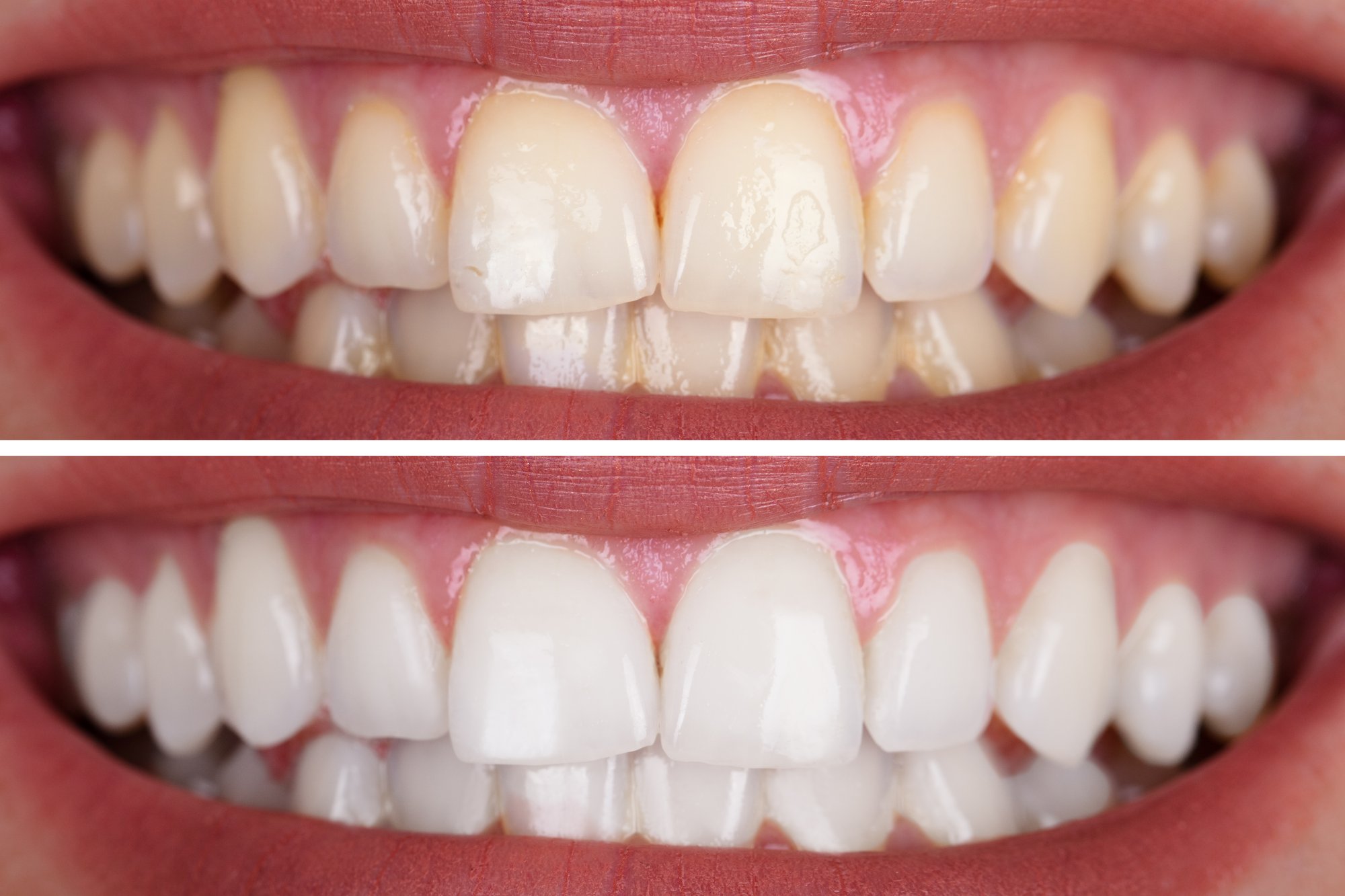
Noticed your smile looking duller than it used to? Several everyday factors are what causes teeth to turn yellow over time. Tooth discoloration is a change in color, from bright white to yellow, brown, or gray, caused by stains on or within the tooth. Some causes are surface stains you can lift, while others come from inside the tooth, which is where professional teeth whitening helps most. It is worth understanding before your next photo op around The Oaks.
Key Takeaways
- Yellowing comes from two sources: surface stains and internal changes. Each responds to different treatment.
- Coffee, tea, wine, and tobacco stain the enamel surface. These extrinsic stains are the most common.
- As enamel thins with age, the yellow dentin underneath shows through. That is an intrinsic change.
- Genetics, medications, and trauma can also darken teeth. Some of these are unavoidable.
- Professional teeth whitening lifts many stains safely. Your dentist can match the method to the cause.
What Causes Teeth to Turn Yellow?
Yellowing usually traces back to a mix of everyday habits and natural aging. As WebMD explains, the white enamel surface can wear down over time and reveal the yellow dentin at the core of the tooth. Knowing which cause is at play points you to the right fix. Staining foods and drinks add to the effect by leaving pigment on the enamel. Genetics, certain medications, and even too much fluoride during childhood can play a part as well. The color you see is often several causes layered together.
What Is the Difference Between Surface and Internal Stains?
Dentists sort discoloration into two types. Extrinsic stains sit on the outer enamel and come from food, drinks, tobacco, and plaque. Intrinsic stains form inside the tooth from aging, trauma, medication, or development. Surface stains lift fairly easily, while internal ones need deeper whitening or a cosmetic option. Telling them apart guides the choice between a simple polish and a deeper treatment.
Which Foods and Drinks Stain the Most?
Some favorites are harder on your smile than others. Coffee, black tea, red wine, cola, and deeply colored sauces are among the biggest culprits. Anything that would stain white tissue paper, it can stain enamel too. Rinsing with water or sipping through a straw helps limit the contact. None of this means giving up your favorites entirely, only being a little mindful.
Does Age Really Turn Teeth Yellow?
Aging is one of the most common reasons teeth darken. Over the years, enamel naturally thins and grows more translucent, letting the yellowish dentin show through. At the same time, a lifetime of tiny stains builds up on the surface. This combination is why many people notice gradual yellowing later in life. It is a normal part of getting older, not a sign of neglect.
Can You Prevent Yellow Teeth?
Aging can’t be halted, but you can slow the staining. Brushing twice a day, cleaning between the teeth, and keeping up with cleanings all help. Cutting back on staining drinks and avoiding tobacco go a long way too. Regular dental visits catch buildup before it sets in. Rinsing with water after coffee or wine helps, and small, steady habits keep a smile brighter for longer. Even simple changes add up over the years.
How Does Professional Whitening Help?
When stains have already taken hold, professional teeth whitening is the most reliable fix. In-office treatments use stronger, carefully controlled agents than store shelves offer, with quicker and more even results. Your dentist can also tell if whitening will work or if a veneer suits an intrinsic stain better. That guidance keeps the process safe for your enamel. Your dentist tailors the strength of the treatment to your teeth, so the result is even and long-lasting.
Frequently Asked Questions
Is yellowing a sign of bad teeth?
Often it is not, since some yellowing is simply natural aging or genetics. Gradual yellowing on its own does not signal decay. Still, a sudden or severe change is worth having checked.
Can yellow teeth become white again?
Yes, most surface stains respond well to professional whitening. Deeper, internal stains may need stronger treatment or a cosmetic option. Your dentist can recommend the best route for your smile.
Does whitening damage enamel?
Professional whitening is safe for enamel when it is done correctly. Overusing store-bought products can cause sensitivity or wear. That is why dentist-supervised whitening is the safer choice.
Bringing Back a Brighter Smile
Understanding what causes teeth to turn yellow makes the fix much less mysterious. Surface stains, thinning enamel, aging, and genetics all play a role, and each responds to a different approach. With good habits and professional teeth whitening, a brighter smile is well within reach. There is no need to settle for a dull smile.
If you want to learn more about a whiter, healthier smile, visit our Teeth Whitening in Thousand Oaks, CA page to schedule a consultation.