
Table of Contents
- Why Recovery Is So Important
- Understanding Osseointegration
- Immediately After Surgery
- The First 24 Hours
- Managing Discomfort
- What About Swelling?
- Eating During the First Few Days
- Oral Hygiene After Implant Surgery
- Week One: Early Healing
- Week Two: Continued Improvement
- The Healing Process Continues
- What If Bone Grafting Was Performed?
- Temporary Teeth During Healing
- Receiving Your Final Restoration
- Returning to Normal Eating
- Long-Term Care for Dental Implants
- Habits That Help Protect Your Investment
- Warning Signs to Watch For
- Common Questions About Dental Implant Recovery
- Benefits Supported by Modern Dentistry
- Looking Ahead With Confidence
- Begin Your Journey Toward a Stronger Smile
- Why Replacing Missing Teeth Matters: The Hidden Effects of Tooth Loss on Your Health
- Why Every Tooth Has an Important Job
- The Jawbone Begins to Change
- Why Bone Loss Matters
- Neighboring Teeth Begin to Shift
- Opposing Teeth Can Move Too
- Chewing Becomes Less Efficient
- Nutrition Can Be Affected
- Speech May Change
- Tooth Loss Can Affect Self-Confidence
- Changes in Facial Appearance
- Increased Stress on Remaining Teeth
- Gum Health Can Become More Challenging
- Tooth Loss and Bite Problems
- Why Replacing One Tooth Is Often Better Than Waiting
- Tooth Replacement Options
- Why Many Patients Choose Dental Implants
- Is It Ever Too Late to Replace Missing Teeth?
- Common Questions About Tooth Loss
- Benefits Supported by Modern Dentistry
- Protecting Your Smile for the Future
- Take the First Step Toward Restoring Your Smile
Choosing dental implants is an exciting step toward restoring your smile, improving your oral health, and regaining confidence. However, one of the most common questions patients ask before beginning treatment isn’t about the procedure itself, it’s about what happens afterward. “How long will recovery take?” “When can I eat normally again?” “Will it be painful?” “When will my new teeth feel completely natural?” These are all excellent questions, and understanding the recovery process before treatment can help you feel more confident and prepared. The good news is that dental implant recovery is often much smoother than many patients expect. Thanks to modern technology, advanced treatment planning, and improved surgical techniques, most people experience manageable discomfort that gradually improves over the first several days. While every patient heals differently, knowing what to expect during each stage of recovery can help you enjoy a more comfortable experience and achieve the best possible long-term results. If you’re considering dental implants in Thousand Oaks, this guide will walk you through every phase of recovery. From the day of surgery to long-term maintenance, so you’ll know exactly what to expect.
Why Recovery Is So Important
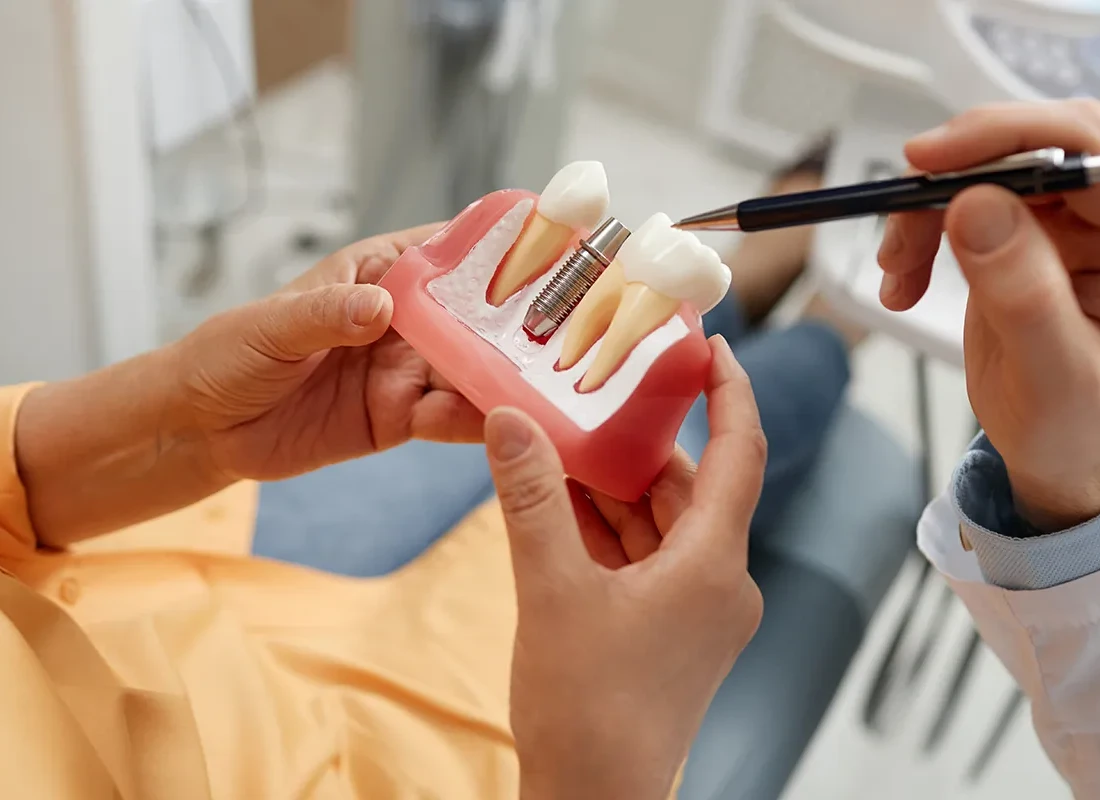
Dental implant treatment doesn’t end when the implant is placed. In many ways, the healing process is just as important as the surgery itself. Unlike dentures or bridges, dental implants become part of your body through a natural biological process known as osseointegration. During this phase, your jawbone gradually grows around the titanium implant, creating a secure and lasting foundation for your replacement tooth. This process cannot be rushed. Although you’ll likely begin feeling better within days, your body continues healing beneath the surface for several months. Following your dentist’s instructions during this period significantly improves the likelihood of long-term success.
Understanding Osseointegration
One reason dental implants are so successful is that titanium is highly compatible with the human body. After placement, the surrounding bone begins attaching directly to the implant. This connection transforms the implant into an artificial tooth root capable of supporting normal chewing forces. Without proper healing, this process may be interrupted. That’s why your dentist will recommend certain temporary restrictions while the implant stabilizes. Although waiting requires patience, it creates the strong foundation that allows implants to function for many years.
Immediately After Surgery
The first several hours after implant placement are generally focused on allowing the surgical site to begin healing. Before leaving the office, you’ll receive detailed instructions covering:
- Medication schedules
- Oral hygiene
- Bleeding management
- Diet recommendations
- Activity restrictions
- Follow-up appointments
Many patients are pleasantly surprised that discomfort is less significant than they anticipated. If sedation was used, you’ll also need someone to drive you home and remain with you until the effects wear off. The remainder of the day should be dedicated to rest.
The First 24 Hours
During the first day, your body begins the initial healing response. It’s completely normal to experience:
- Mild bleeding
- Swelling
- Tenderness
- Minor bruising
- Temporary numbness from local anesthesia
These symptoms usually improve steadily. Applying cold packs to the outside of your face during the first day may help minimize swelling. Your dentist may also recommend keeping your head elevated while resting. Avoid strenuous activity during this period, as increased blood pressure may contribute to additional swelling or bleeding.
Managing Discomfort
Pain is one of the biggest concerns patients have before implant surgery. Fortunately, most people describe implant recovery as far less uncomfortable than they expected. Many patients successfully manage discomfort with:
- Prescription medications when necessary
- Over-the-counter pain relievers recommended by their dentist
- Ice packs
- Rest
- Following post-operative instructions carefully
Taking medications exactly as directed is important. Waiting until discomfort becomes severe often makes pain more difficult to control.
What About Swelling?
Swelling is a completely normal part of healing. It often reaches its peak approximately two to three days after surgery before gradually decreasing. The amount of swelling depends on several factors, including:
- Number of implants placed
- Surgical complexity
- Individual healing response
- Whether bone grafting was performed
Cold compresses during the first day followed by warm compresses later—if recommended by your dentist—may improve comfort.
Eating During the First Few Days
Your mouth needs time to heal. Choosing soft foods protects the surgical site while allowing your body to recover. Many patients enjoy foods such as:
- Yogurt
- Applesauce
- Oatmeal
- Scrambled eggs
- Smooth soups
- Mashed potatoes
- Cottage cheese
- Smoothies
- Pasta
- Soft vegetables
Avoid foods that are:
- Crunchy
- Sticky
- Extremely hot
- Hard
- Spicy if irritation occurs
Your dentist will explain when it’s appropriate to gradually expand your diet.
Oral Hygiene After Implant Surgery
Keeping the mouth clean remains essential throughout recovery. However, the surgical area must be treated gently. Your dentist may recommend:
- Gentle brushing around the area
- Special antimicrobial rinses
- Warm saltwater rinses after the first day
- Avoiding vigorous rinsing initially
Excellent oral hygiene reduces bacterial buildup while supporting healthy healing.
Week One: Early Healing
By the end of the first week, many patients begin feeling much more like themselves. Swelling typically decreases. Tenderness becomes significantly more manageable. Normal daily activities often resume, although strenuous exercise may still be limited depending on your treatment. Most patients attend a follow-up appointment during this period so the dental team can evaluate healing.
Week Two: Continued Improvement
During the second week, the visible signs of surgery often continue fading. Patients frequently notice:
- Less swelling
- Improved comfort
- Easier chewing
- Better energy
- Increased confidence
Although you may feel substantially recovered, remember that deeper healing continues beneath the gums. It’s important not to assume the implant is fully healed simply because discomfort has improved.
The Healing Process Continues
One of the biggest misconceptions about implants is that healing ends once soreness disappears. In reality, osseointegration continues for several months. This invisible healing stage is what allows implants to become exceptionally strong. Even though you may not notice daily changes, your body continues building the connection between bone and implant. Patience during this period contributes directly to long-term success.
What If Bone Grafting Was Performed?
Some patients require bone grafting before or during implant placement. Bone grafting helps rebuild areas where bone loss has occurred. If grafting was included in your treatment, healing may require additional time. Your dentist will monitor progress carefully before placing the final restoration. Although this extends treatment, it often creates a stronger foundation for long-term implant stability.
Temporary Teeth During Healing
Some patients receive temporary restorations while waiting for permanent teeth. Temporary restorations provide several advantages. They may:
- Improve appearance
- Restore speech
- Allow gentle chewing
- Protect healing tissues
Although they resemble natural teeth, temporary restorations require extra care. Your dentist may recommend avoiding excessive biting forces until final restorations are placed.
Receiving Your Final Restoration
After successful healing, impressions or digital scans are used to fabricate your permanent restoration. Depending on your treatment plan, this may be:
- A single crown
- An implant-supported bridge
- A full-arch prosthesis
- An All-on-X restoration
The final restoration is carefully adjusted to provide proper fit, appearance, and function. For many patients, this is the moment when treatment truly feels complete.
Returning to Normal Eating
One of the most rewarding milestones is returning to favorite foods. Once your dentist confirms adequate healing, you can usually begin enjoying a much wider variety of foods. Patients frequently report greater confidence eating foods they previously avoided because of missing teeth or unstable dentures. Examples include:
- Apples
- Steak
- Fresh vegetables
- Nuts
- Corn on the cob
- Crisp sandwiches
Every patient’s timeline differs, so follow your dentist’s recommendations regarding dietary progression.
Long-Term Care for Dental Implants
Although implants cannot develop cavities, they still require excellent maintenance. Healthy gums remain essential. Daily care should include:
- Brushing twice daily
- Flossing or cleaning around implants
- Professional cleanings
- Routine dental examinations
Maintaining healthy tissues around implants supports long-term success.
Habits That Help Protect Your Investment
Your dental implants are designed for durability. However, several healthy habits can help maximize their longevity. These include:
- Wearing a nightguard if recommended
- Avoiding tobacco products
- Managing chronic health conditions
- Maintaining regular dental visits
- Practicing consistent oral hygiene
Small daily habits often have the greatest long-term impact.
Warning Signs to Watch For
Although complications are uncommon, patients should contact their dental provider if they experience:
- Persistent swelling that worsens
- Severe pain that does not improve
- Heavy bleeding
- Fever
- Pus or drainage
- Implant mobility
- Difficulty biting after healing
Prompt evaluation helps address concerns before they become more significant.
Common Questions About Dental Implant Recovery
Will I miss work?
Many patients return to desk jobs within a day or two, depending on the complexity of treatment.
Is swelling normal?
Yes. Swelling is a natural part of healing and generally peaks within the first few days.
Can I exercise?
Your dentist will advise when strenuous physical activity can safely resume.
When will my implant feel like a normal tooth?
Once healing is complete and your final restoration is placed, many patients describe their implant as feeling remarkably natural.
Can dental implants fail?
Although dental implants have very high success rates, maintaining good oral hygiene and attending regular dental visits are essential for long-term health.
Benefits Supported by Modern Dentistry
Clinical research continues to demonstrate excellent success rates for dental implants when patients follow appropriate treatment and maintenance protocols. Replacing missing teeth with implants supports:
- Improved chewing function
- Better speech
- Jawbone preservation
- Greater comfort
- Enhanced confidence
- Long-term oral health
Advances in digital planning, implant materials, and surgical techniques continue making recovery more predictable than ever before.
Looking Ahead With Confidence
Recovery is an important part of every successful dental implant journey. Although healing requires patience, each stage brings you closer to enjoying a healthier, stronger, and more confident smile. Most patients find that the temporary recovery period is well worth the long-term benefits dental implants provide. By following your dentist’s instructions, maintaining excellent oral hygiene, and attending regular follow-up visits, you can help protect your investment for years to come.
Begin Your Journey Toward a Stronger Smile
If you’re considering dental implants and have questions about the recovery process, the experienced team at Next Smile Center in Thousand Oaks, CA is here to help. Every patient’s treatment plan is personalized, and understanding what to expect before surgery can help you feel more comfortable every step of the way. Schedule a consultation with Next Smile Center to learn whether dental implants are right for you and discover how modern implant dentistry can restore your smile, improve your quality of life, and provide lasting confidence.
Why Replacing Missing Teeth Matters: The Hidden Effects of Tooth Loss on Your Health
Losing a tooth is often viewed as a cosmetic concern. Many people assume that if the missing tooth isn’t visible when they smile, replacing it can wait—or may not even be necessary. While appearance is certainly one consideration, the truth is that tooth loss affects much more than your smile. Every tooth plays an important role in maintaining the health, stability, and function of your mouth. When a tooth is lost, a chain reaction begins almost immediately. Neighboring teeth may start to shift, the jawbone can begin to shrink, chewing becomes less efficient, and even your facial appearance may gradually change over time. These changes often happen slowly, making them easy to overlook until they become more significant. The good news is that modern dentistry offers effective solutions to replace missing teeth before these long-term complications develop. Whether you’re missing one tooth, several teeth, or an entire arch, understanding the consequences of tooth loss can help you make informed decisions about protecting your oral health for years to come. If you’ve been delaying treatment after losing a tooth, here’s why replacing missing teeth may be one of the best investments you can make in your long-term health and quality of life.
Why Every Tooth Has an Important Job
Your teeth work together as a complete system. Each tooth helps distribute the pressure created when you chew, guides your bite into proper alignment, and supports the surrounding teeth. When even one tooth is missing, the balance of that system changes. The remaining teeth must compensate for the missing tooth, often carrying more pressure than they were designed to handle. Over time, this additional stress can contribute to excessive wear, fractures, and bite problems. Your teeth also help support the muscles of your face and the underlying jawbone. Losing a tooth affects more than your ability to chew—it changes the way your entire mouth functions.
The Jawbone Begins to Change
One of the least understood consequences of tooth loss is bone loss. Natural tooth roots stimulate the jawbone every time you bite or chew. This stimulation signals your body to maintain healthy bone tissue. Once a tooth is removed or lost, that stimulation disappears. Without regular stimulation, the body gradually begins breaking down the unused bone through a natural process called bone resorption. Bone loss often begins within the first few months after tooth loss and continues over time if the tooth isn’t replaced. Although the changes happen gradually, they can become significant over the years.
Why Bone Loss Matters
Bone loss doesn’t simply affect the area where the tooth once existed. As the jawbone shrinks, it may influence several aspects of oral health. Potential consequences include:
- Reduced support for neighboring teeth
- Changes in bite alignment
- Increased difficulty placing dental implants later
- Changes in facial appearance
- Reduced denture stability
Because bone cannot regenerate on its own after significant loss has occurred, early treatment often helps preserve healthy jaw structure.
Neighboring Teeth Begin to Shift
Your teeth naturally help hold one another in position. When one tooth disappears, the neighboring teeth frequently begin drifting toward the empty space. This movement may seem minor initially, but over time it can create several problems. Shifting teeth may lead to:
- Crooked teeth
- Bite changes
- Food trapping
- Difficulty cleaning between teeth
- Increased risk of decay
- Gum irritation
Replacing missing teeth helps maintain proper spacing and alignment.
Opposing Teeth Can Move Too
Many people don’t realize that teeth also depend on contact with opposing teeth. If a lower tooth is missing, the upper tooth directly above it may gradually move downward. Likewise, if an upper tooth is lost, the lower tooth beneath it may slowly move upward. This process, known as supereruption, can affect bite alignment and complicate future restorative treatment.
Chewing Becomes Less Efficient
Every tooth contributes to chewing efficiency. Missing teeth reduce the number of contact points available during meals. As a result, patients often begin avoiding certain foods because chewing becomes uncomfortable or difficult. Common foods people may stop eating include:
- Apples
- Steak
- Nuts
- Raw vegetables
- Crusty bread
- Corn on the cob
Although these dietary adjustments may seem minor, they can gradually affect nutritional intake and overall health.
Nutrition Can Be Affected
Healthy nutrition depends on the ability to chew a wide variety of foods comfortably. When chewing becomes difficult, people often substitute softer processed foods that require less effort. Over time, this may reduce intake of:
- Fresh fruits
- Vegetables
- Lean proteins
- Fiber-rich foods
Maintaining the ability to chew comfortably supports better dietary choices and overall wellness.
Speech May Change
Teeth play an important role in forming many speech sounds. Missing teeth—particularly those toward the front of the mouth—can alter pronunciation and clarity. Some patients notice:
- Lisping
- Difficulty pronouncing certain words
- Air escaping through gaps
- Reduced confidence during conversations
Replacing missing teeth often improves speech while restoring confidence during social interactions.
Tooth Loss Can Affect Self-Confidence
While oral health is the primary concern, emotional well-being should not be overlooked. Many patients report feeling self-conscious after losing teeth. Some begin:
- Smiling less often
- Covering their mouths while laughing
- Avoiding photographs
- Feeling uncomfortable in social situations
- Hesitating to speak publicly
These emotional effects can influence both personal and professional relationships. Restoring a complete smile often provides benefits that extend well beyond physical appearance.
Changes in Facial Appearance
Teeth and jawbone help support the lower portion of the face. When bone loss progresses after tooth loss, facial changes may gradually develop. These changes may include:
- Sunken cheeks
- Reduced lip support
- Wrinkles around the mouth
- Shortened facial height
- Older facial appearance
Because these changes occur slowly, many people don’t recognize them until comparing photographs taken years apart. Replacing missing teeth early may help preserve natural facial support.
Increased Stress on Remaining Teeth
When one tooth is missing, the remaining teeth must perform more work. Extra pressure during chewing can contribute to:
- Tooth wear
- Cracks
- Chipping
- Fractures
- Sensitivity
Protecting the remaining natural teeth is one of the strongest reasons to replace missing teeth whenever possible.
Gum Health Can Become More Challenging
Empty spaces created by missing teeth often trap food particles more easily. Cleaning these areas may become more difficult. As plaque accumulates, the risk of gum inflammation and periodontal disease may increase. Healthy gums are essential for preserving remaining teeth and supporting future restorative treatment.
Tooth Loss and Bite Problems
Even small bite changes can influence the way your teeth come together. Over time, shifting teeth and uneven chewing forces may contribute to:
- Jaw discomfort
- Muscle fatigue
- Headaches
- Uneven tooth wear
- Difficulty chewing
Maintaining a balanced bite supports both comfort and long-term oral function.
Why Replacing One Tooth Is Often Better Than Waiting
Some patients postpone treatment because they feel only one missing tooth isn’t significant. However, replacing a single tooth early often helps prevent larger problems later. Early treatment may:
- Preserve bone
- Prevent tooth movement
- Maintain chewing ability
- Support bite stability
- Protect neighboring teeth
Waiting several years may require more complex treatment due to changes that occur over time.
Tooth Replacement Options
Fortunately, today’s dentistry offers several effective solutions.
Dental Implants
Dental implants replace both the tooth root and visible crown. Benefits include:
- Bone preservation
- Excellent stability
- Natural appearance
- Long-term durability
Dental Bridges
Bridges replace missing teeth by connecting to neighboring teeth. They restore function and appearance without requiring removable appliances.
Dentures
Partial and full dentures remain valuable options for replacing multiple missing teeth. Modern dentures are more comfortable and natural-looking than ever before. Your dentist will recommend the treatment best suited to your individual needs.
Why Many Patients Choose Dental Implants
Although several tooth replacement options exist, dental implants offer one unique advantage. Because they replace the tooth root, implants continue stimulating the jawbone. This helps reduce the bone loss associated with missing teeth. Additional benefits include:
- Independent support
- Improved chewing
- Natural appearance
- Excellent comfort
- Long-term function
For many patients, implants represent the closest alternative to natural teeth.
Is It Ever Too Late to Replace Missing Teeth?
Many people assume they waited too long. Fortunately, advances in implant dentistry, bone grafting, and restorative techniques have expanded treatment possibilities. Even patients who have been missing teeth for many years may still qualify for treatment. A comprehensive evaluation can determine which options are available based on your current oral health.
Common Questions About Tooth Loss
What happens if I never replace a missing tooth?
Bone loss, shifting teeth, bite changes, and chewing difficulties may gradually develop.
Is one missing tooth really a problem?
Yes. Even one missing tooth can affect the surrounding teeth and jawbone over time.
Are dentures better than leaving teeth missing?
In most cases, replacing missing teeth provides functional and aesthetic benefits compared to leaving spaces untreated.
Do dental implants stop bone loss?
Dental implants help stimulate the jawbone similarly to natural tooth roots, making them unique among tooth replacement options.
Can bone loss be reversed?
Bone grafting procedures may rebuild certain areas of lost bone, although prevention is generally preferable.
Benefits Supported by Modern Dentistry
Research continues to demonstrate the importance of replacing missing teeth to preserve oral function and maintain overall health. Modern restorative dentistry offers highly predictable treatment options that improve chewing ability, support speech, maintain bite alignment, and enhance quality of life. Advances in dental implants, digital technology, and restorative materials allow today’s patients to receive personalized treatment plans that are more comfortable and effective than ever before.
Protecting Your Smile for the Future
Losing a tooth may seem like a small event at first, but the effects often extend far beyond the empty space in your smile. Bone loss, shifting teeth, reduced chewing ability, facial changes, and bite problems can all develop gradually if missing teeth are left untreated. The sooner tooth loss is addressed, the more opportunities your dentist has to preserve healthy bone, protect neighboring teeth, and restore comfortable function. Every smile is unique, and today’s restorative dentistry offers solutions for nearly every situation.
Take the First Step Toward Restoring Your Smile
If you’re missing one or more teeth, you don’t have to accept the long-term effects of tooth loss. The experienced team at Next Smile + Implant Center in Thousand Oaks, CA can evaluate your oral health, explain your treatment options, and create a personalized plan designed to restore your smile and protect your long-term oral health. Schedule a consultation today to learn how replacing missing teeth can improve your comfort, confidence, and quality of life while preserving your smile for years to come.