
Table of Contents
- Why Every Tooth Has an Important Job
- The Jawbone Begins to Change
- Why Bone Loss Matters
- Neighboring Teeth Begin to Shift
- Opposing Teeth Can Move Too
- Chewing Becomes Less Efficient
- Nutrition Can Be Affected
- Speech May Change
- Tooth Loss Can Affect Self-Confidence
- Changes in Facial Appearance
- Increased Stress on Remaining Teeth
- Gum Health Can Become More Challenging
- Tooth Loss Can Lead to Bite Problems
- Why Replacing One Tooth Is Often Better Than Waiting
- Tooth Replacement Options
- Why Many Patients Choose Dental Implants
- Is It Ever Too Late to Replace Missing Teeth?
- Frequently Asked Questions
- Benefits Supported by Modern Dentistry
- Protecting Your Smile for the Future
- Restore Your Smile with Confidence
Losing a tooth is often viewed as a cosmetic concern. Many people assume that if the missing tooth is not visible when they smile, replacing it can wait. Some even believe it may not be necessary at all. While appearance is certainly one consideration, the truth is that tooth loss affects much more than your smile. Every tooth plays an important role in maintaining the health, stability, and function of your mouth. When a tooth is lost, a chain reaction begins almost immediately. Neighboring teeth may begin to shift, the jawbone can gradually shrink, chewing becomes less efficient, and even your facial appearance may change over time. These changes usually happen slowly, making them easy to overlook until they become more noticeable. The good news is that modern dentistry offers effective solutions to replace missing teeth before these long-term complications develop. Whether you are missing one tooth, several teeth, or an entire arch, understanding the consequences of tooth loss can help you make informed decisions about protecting your oral health for years to come. If you have been delaying treatment after losing a tooth, here is why replacing missing teeth may be one of the best investments you can make in your long-term health and quality of life.
Why Every Tooth Has an Important Job
Your teeth work together as a complete system. Each tooth helps distribute the pressure created when you chew, guides your bite into proper alignment, and supports the surrounding teeth. When even one tooth is missing, the balance of that system changes. The remaining teeth must compensate for the missing tooth, often carrying more pressure than they were designed to handle. Over time, this additional stress can contribute to excessive wear, fractures, and bite problems. Your teeth also support the muscles of your face and the underlying jawbone. Losing a tooth affects much more than your ability to chew. It changes the way your entire mouth functions.
The Jawbone Begins to Change
One of the least understood consequences of tooth loss is bone loss. Natural tooth roots stimulate the jawbone every time you bite or chew. This stimulation signals your body to maintain healthy bone tissue. Once a tooth is removed or lost, that stimulation disappears. Without regular stimulation, the body gradually begins breaking down the unused bone through a natural process called bone resorption. Bone loss often begins within the first few months after tooth loss and continues over time if the tooth is not replaced. Although these changes happen gradually, they can become significant over the years.
Why Bone Loss Matters
Bone loss does not simply affect the area where the tooth once existed. As the jawbone shrinks, it can influence several aspects of oral health. Potential consequences include:
- Reduced support for neighboring teeth
- Changes in bite alignment
- Increased difficulty placing dental implants later
- Changes in facial appearance
- Reduced denture stability
Because bone cannot regenerate on its own after significant loss has occurred, early treatment often helps preserve healthy jaw structure.
Neighboring Teeth Begin to Shift
Your teeth naturally help hold one another in position. When one tooth disappears, the neighboring teeth frequently begin drifting toward the empty space. This movement may seem minor at first, but over time it can create several problems. Shifting teeth may lead to:
- Crooked teeth
- Bite changes
- Food trapping
- Difficulty cleaning between teeth
- Increased risk of tooth decay
- Gum irritation
Replacing missing teeth helps maintain proper spacing and alignment.
Opposing Teeth Can Move Too
Many people do not realize that teeth also depend on contact with opposing teeth. If a lower tooth is missing, the upper tooth directly above it may gradually move downward. Likewise, if an upper tooth is lost, the lower tooth beneath it may slowly move upward. This process, known as supereruption, can affect bite alignment and make future restorative treatment more complicated.
Chewing Becomes Less Efficient
Every tooth contributes to efficient chewing. Missing teeth reduce the number of contact points available during meals. As a result, many people begin avoiding certain foods because chewing becomes uncomfortable or difficult. Common foods people may stop eating include:
- Apples
- Steak
- Nuts
- Raw vegetables
- Crusty bread
- Corn on the cob
Although these dietary adjustments may seem minor, they can gradually affect nutrition and overall health.
Nutrition Can Be Affected
Healthy nutrition depends on the ability to chew a wide variety of foods comfortably. When chewing becomes difficult, many people begin choosing softer processed foods that require less effort. Over time, this may reduce the amount of:
- Fresh fruits
- Vegetables
- Lean proteins
- Fiber-rich foods
Maintaining the ability to chew comfortably supports better dietary choices and overall wellness.
Speech May Change
Teeth play an important role in forming many speech sounds. Missing teeth, particularly those toward the front of the mouth, can affect pronunciation and clarity. Some patients notice:
- Lisping
- Difficulty pronouncing certain words
- Air escaping through gaps
- Reduced confidence during conversations
Replacing missing teeth often improves speech while restoring confidence during social interactions.
Tooth Loss Can Affect Self-Confidence
While oral health is the primary concern, emotional well-being should not be overlooked. Many patients report feeling self-conscious after losing teeth. Some begin:
- Smiling less often
- Covering their mouths while laughing
- Avoiding photographs
- Feeling uncomfortable in social situations
- Hesitating to speak in professional or social settings
These emotional effects can influence both personal and professional relationships. Restoring a complete smile often provides benefits that extend well beyond physical appearance.
Changes in Facial Appearance
Your teeth and jawbone provide important support for the lower portion of your face. When bone loss progresses after tooth loss, gradual facial changes may occur. These changes can include:
- Sunken cheeks
- Reduced lip support
- Wrinkles around the mouth
- Shortened facial height
- An older facial appearance
Because these changes happen slowly, many people do not notice them until comparing photographs taken years apart. Replacing missing teeth early may help preserve your natural facial structure.
Increased Stress on Remaining Teeth
When one tooth is missing, the remaining teeth must work harder. Extra pressure during chewing can contribute to:
- Excessive tooth wear
- Cracks
- Chipped teeth
- Fractures
- Tooth sensitivity
Protecting your remaining natural teeth is one of the strongest reasons to replace missing teeth as soon as possible.
Gum Health Can Become More Challenging
The empty spaces created by missing teeth often trap food particles more easily. Cleaning these areas may become more difficult. As plaque accumulates, the risk of gum inflammation and periodontal disease may increase. Healthy gums are essential for preserving your remaining teeth and supporting future restorative treatment.
Tooth Loss Can Lead to Bite Problems
Even small changes in your bite can affect the way your teeth come together. Over time, shifting teeth and uneven chewing forces may contribute to:
- Jaw discomfort
- Muscle fatigue
- Headaches
- Uneven tooth wear
- Difficulty chewing comfortably
Maintaining a balanced bite supports both comfort and long-term oral health.
Why Replacing One Tooth Is Often Better Than Waiting
Some patients postpone treatment because they believe one missing tooth is not a significant concern. However, replacing a single tooth early often helps prevent much larger problems later. Early treatment may help:
- Preserve jawbone
- Prevent neighboring teeth from shifting
- Maintain proper chewing function
- Support bite stability
- Protect surrounding healthy teeth
Waiting several years may result in additional bone loss and shifting teeth, making treatment more complex.
Tooth Replacement Options
Fortunately, modern dentistry offers several effective ways to replace missing teeth.
Dental Implants
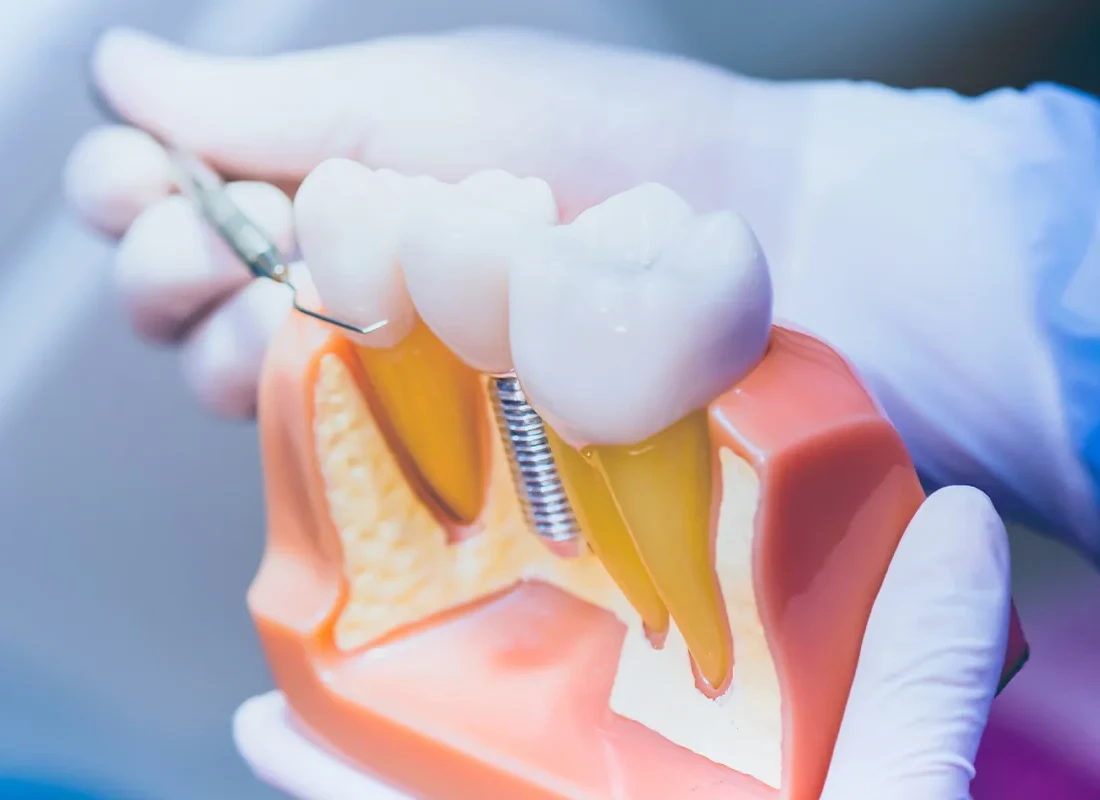
Dental implants replace both the tooth root and the visible crown. Benefits include:
- Preservation of jawbone
- Excellent stability
- Natural appearance
- Long-term durability
- Comfortable chewing
- Easy maintenance
Dental Bridges
Dental bridges replace missing teeth by attaching to neighboring teeth. They restore appearance and chewing function without requiring a removable appliance.
Dentures
Partial and full dentures remain reliable options for replacing multiple missing teeth. Today’s dentures are more comfortable, more natural-looking, and more functional than previous generations. Your dentist can recommend the solution that best fits your oral health, lifestyle, and long-term goals.
Why Many Patients Choose Dental Implants
Although several tooth replacement options are available, dental implants offer one important advantage. Because they replace the tooth root, implants continue stimulating the jawbone much like natural teeth. This stimulation helps reduce the bone loss that typically occurs after tooth loss. Additional benefits include:
- Independent support without affecting neighboring teeth
- Improved chewing strength
- Natural appearance
- Excellent comfort
- Long-lasting function
- Better preservation of facial structure
For many patients, dental implants provide the closest experience to having natural teeth again.
Is It Ever Too Late to Replace Missing Teeth?
Many people assume they have waited too long. Fortunately, advances in implant dentistry, bone grafting, and restorative techniques have expanded treatment options for patients with significant bone loss. Even individuals who have been missing teeth for many years may still qualify for treatment. A comprehensive dental evaluation can determine which solutions are available based on your current oral health.
Frequently Asked Questions
What happens if I never replace a missing tooth?
Bone loss, shifting teeth, bite changes, and chewing difficulties may gradually develop over time.
Is one missing tooth really a problem?
Yes. Even a single missing tooth can affect neighboring teeth, your bite, and the health of your jawbone.
Are dentures better than leaving missing teeth untreated?
In most situations, replacing missing teeth provides important functional and cosmetic benefits compared to leaving the space empty.
Do dental implants prevent bone loss?
Dental implants help stimulate the jawbone similarly to natural tooth roots, making them the only tooth replacement option that helps preserve bone in this way.
Can bone loss be reversed?
Bone grafting procedures can rebuild certain areas of lost bone. However, preserving existing bone is usually the simpler and more predictable approach.
Benefits Supported by Modern Dentistry
Research continues to demonstrate the importance of replacing missing teeth to preserve oral function and maintain overall health. Modern restorative dentistry provides predictable treatment options that improve chewing ability, support clearer speech, maintain bite alignment, and enhance quality of life. Advances in dental implants, digital imaging, and restorative materials allow today’s patients to receive personalized treatment plans that are more comfortable, more efficient, and more effective than ever before.
Protecting Your Smile for the Future
Losing a tooth may seem like a small event at first, but its effects often extend far beyond the empty space in your smile. Bone loss, shifting teeth, reduced chewing ability, facial changes, and bite problems can all develop gradually when missing teeth are left untreated. The sooner you replace missing teeth, the better your chances of preserving healthy jawbone, protecting your remaining natural teeth, and maintaining comfortable oral function. Modern dentistry offers several effective solutions, including dental implants, bridges, and dentures. Your dentist can help determine which option best fits your oral health needs, lifestyle, and long-term goals. Taking action early can often simplify treatment, improve long-term outcomes, and help you maintain a healthier smile for years to come.
Restore Your Smile with Confidence
If you are missing one or more teeth, you do not have to live with the long-term effects of tooth loss. The experienced team at Next Smile + Implant Center in Thousand Oaks, CA offers personalized treatment plans designed to restore your smile, improve your oral health, and help you enjoy everyday life with confidence. Call Next Smile + Implant Center today at (805) 261-5845 to schedule your consultation. Our experienced team will evaluate your smile, explain your tooth replacement options, and help you choose the treatment that best supports your long-term oral health and quality of life.